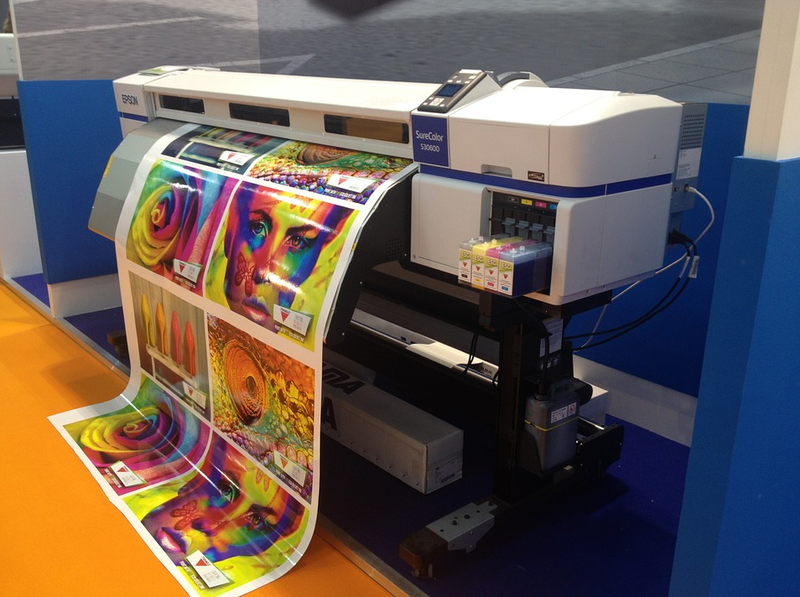
This article explores the dynamic landscape of the packaging industry, highlighting the pivotal role of rapid printing technologies and the rising demand for bespoke, high-end paper solutions. We analyze how digital advancements and eco-friendly policies are reshaping production processes, offering insights into the future of custom packaging and its impact on global markets.
The packaging industry is undergoing a transformative shift, driven by technological advancements and evolving consumer preferences. At the forefront of this evolution is the concept of , a process that has redefined efficiency and customization in the production of packaging materials. By leveraging state-of-the-art digital printing technologies, manufacturers can now deliver high-quality, personalized packaging solutions at unprecedented speeds. This capability is particularly crucial in today's fast-paced market, where speed and customization are key differentiators.Complementing rapid printing is the growing demand for . Businesses across various sectors, from luxury cosmetics to premium electronics, are increasingly investing in bespoke packaging to elevate their brand identity. Custom packaging not only enhances the unboxing experience but also serves as a powerful marketing tool, conveying quality and attention to detail. The ability to tailor packaging to specific product dimensions and aesthetic preferences has made custom-made solutions indispensable in the competitive retail landscape.One of the most significant trends shaping the industry is the integration of sustainable practices. As environmental concerns take center stage, both rapid printing and custom packaging solutions are adapting to meet eco-friendly standards. Advances in materials, such as biodegradable inks and recycled paper stocks, are enabling manufacturers to produce high-end packaging without compromising on quality or sustainability. This shift aligns with global policies aimed at reducing waste and promoting circular economies, making sustainable packaging not just a trend but a necessity.Furthermore, the rise of e-commerce has further accelerated the adoption of rapid printing and custom packaging. Online retailers, in particular, require packaging that is not only durable but also visually appealing to stand out in a crowded digital marketplace. Custom-made high-end packaging boxes for all kinds of paper products offer a unique opportunity for brands to create memorable unboxing experiences, fostering customer loyalty and encouraging repeat purchases. The ability to quickly update designs in response to market trends or seasonal promotions is another advantage offered by rapid printing technologies.In addition to sustainability and e-commerce, regulatory changes are also influencing the industry. Governments worldwide are implementing stricter guidelines on packaging materials and waste management, pushing manufacturers to innovate. Rapid printing technologies, with their flexibility and efficiency, are well-positioned to comply with these regulations while meeting consumer expectations. Custom packaging solutions, too, are being designed to incorporate compliance-friendly features, such as recyclable materials and minimalistic designs, without sacrificing aesthetics.The future of packaging lies in the seamless integration of technology, sustainability, and customization. Rapid printing is set to play a central role in this integration, enabling manufacturers to meet the growing demand for personalized, high-quality packaging at scale. Meanwhile, the emphasis on custom-made high-end packaging boxes for all kinds of paper products will continue to drive innovation, as brands seek to differentiate themselves in an increasingly competitive market. By embracing these trends, the packaging industry can not only adapt to current challenges but also pave the way for a more sustainable and customer-centric future.