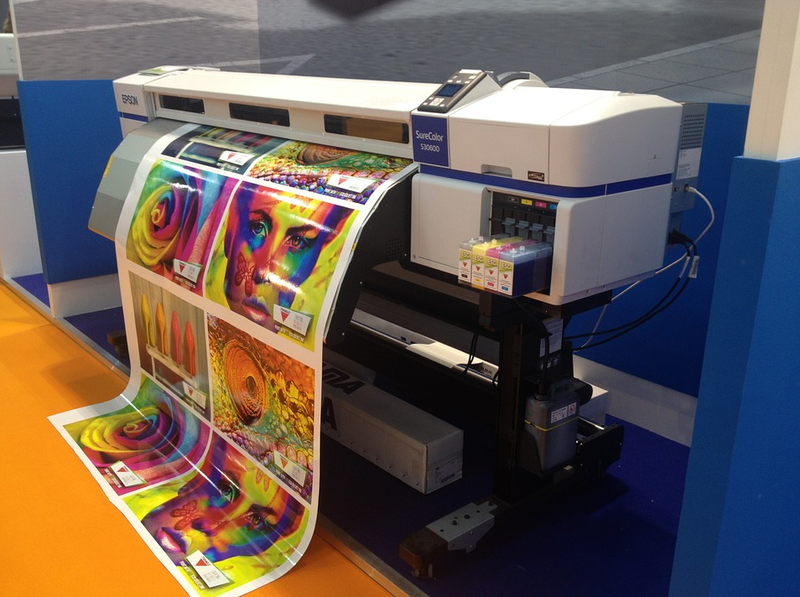
This article explores the dynamic landscape of packaging printing and color box customization, highlighting key trends such as eco-friendly materials, digital printing technologies, and the impact of regulatory policies. It delves into how businesses are adapting to consumer demands for sustainable packaging while maintaining brand identity through creative customization. The discussion also covers the role of innovation in meeting regulatory challenges and enhancing market competitiveness.
The packaging printing industry is undergoing a transformative shift, driven by technological advancements and changing consumer preferences. One of the most significant trends is the move toward sustainable packaging solutions. With increasing environmental concerns, businesses are adopting biodegradable materials, water-based inks, and recyclable substrates to reduce their carbon footprint. This shift is not only a response to regulatory pressures but also a strategic move to appeal to environmentally conscious consumers. has emerged as a critical tool for brands to differentiate themselves in a crowded market. Customization allows companies to create unique designs that resonate with their target audience, reinforcing brand loyalty. Advanced printing technologies, such as flexography and gravure, have made it easier to produce high-quality, customized packaging at scale. Digital printing, in particular, offers unparalleled flexibility, enabling short-run printing with vibrant colors and intricate details.Regulatory policies are also shaping the packaging printing landscape. Governments worldwide are implementing stricter guidelines on packaging waste, encouraging the use of sustainable materials and recycling programs. For instance, the European Union’s Single-Use Plastics Directive has compelled manufacturers to rethink their packaging strategies. Compliance with such regulations requires innovation and investment, but it also opens opportunities for businesses that can lead the charge in sustainable practices.Consumer behavior plays a pivotal role in driving these trends. Modern shoppers are more informed and demanding, often preferring brands that align with their values. This has led to a surge in demand for eco-friendly packaging and personalized experiences. Brands that fail to adapt risk losing relevance, while those that embrace change can gain a competitive edge.Technological advancements are at the heart of these changes. Innovations such as 3D printing, augmented reality, and smart packaging are redefining the industry. 3D printing allows for rapid prototyping and complex designs, while augmented reality can create interactive packaging experiences. Smart packaging, equipped with sensors and QR codes, provides real-time information about product freshness and origin, enhancing consumer trust.The rise of e-commerce has further accelerated the need for robust packaging solutions. Online shopping requires packaging that is not only visually appealing but also durable and secure. This has led to increased demand for custom-printed boxes that protect products during transit while serving as a marketing tool. Companies are investing in high-quality materials and printing techniques to ensure their products stand out in the digital marketplace.In conclusion, the packaging printing industry is at a crossroads, where sustainability, customization, and technology converge. Businesses that prioritize these elements are well-positioned to thrive in an evolving market. By leveraging innovative printing solutions and adhering to regulatory standards, companies can create packaging that not only protects their products but also communicates their values to consumers.