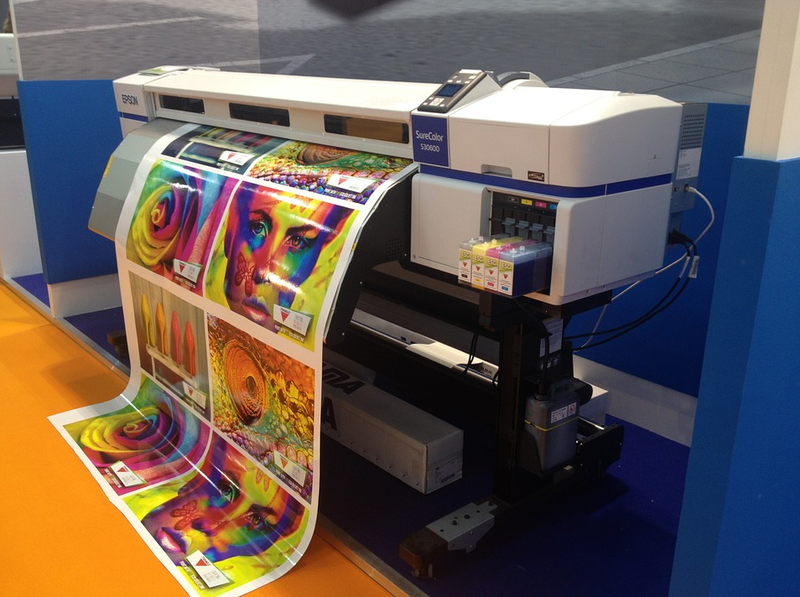
This article delves into the current trends and advancements in the package printing industry, particularly focusing on rapid printing and high-efficiency printing technologies. The rise of digital printing and automation has transformed the industry, enabling faster turnaround times and improved quality. The article also explores the impact of these advancements on cost-effectiveness, sustainability, and the future of package printing.
The package printing industry has been undergoing significant transformations in recent years, driven by advancements in rapid and technologies. These developments have not only reshaped the industry's landscape but have also paved the way for new opportunities and challenges. This article delves into the current trends, their implications, and the future outlook of the package printing industry. One of the most prominent advancements in the package printing industry is the adoption of technologies. These technologies enable printers to produce high-quality prints at a much faster pace than traditional methods. Rapid printing is achieved through the use of digital printing presses, which eliminate the need for physical plates or films, thereby reducing setup time and increasing productivity. The integration of advanced automation systems further enhances efficiency by reducing manual intervention and optimizing workflows. The rise of high-efficiency printing is another notable trend in the package printing industry. This approach focuses on maximizing output while minimizing resource consumption and waste. It is achieved through the use of energy-efficient equipment, optimized ink management systems, and sustainable materials. The emphasis on high-efficiency printing is not only driven by environmental concerns but also by the need to stay competitive in a market that demands faster turnaround times and higher quality standards. The integration of these technologies has led to a shift in the industry's focus from quantity to quality. With rapid printing, companies can now produce large volumes of packages within a short period, ensuring timely delivery to customers. At the same time, high-efficiency printing ensures that these packages are of superior quality and comply with environmental regulations. This shift has had a significant impact on cost-effectiveness, as faster production times and reduced waste lead to lower operational costs for businesses. Sustainability has become a crucial aspect of the package printing industry, with many companies adopting eco-friendly practices to reduce their carbon footprint. High-efficiency printing, coupled with the use of sustainable materials, has become an integral part of this movement. The industry is also witnessing a rise in demand for recyclable and biodegradable packaging materials, further pushing companies to adopt eco-friendly practices. However, these advancements are not without challenges. The initial investment required for digital printing presses and automation systems can be steep for some small businesses. Additionally, the transition to high-efficiency practices may require significant changes in workflows and training for employees. The ongoing need for innovation and technical expertise is also a challenge that companies must face to stay ahead in this rapidly evolving industry. Looking towards the future, the package printing industry is expected to continue its journey towards greater efficiency and sustainability. The integration of artificial intelligence (AI) and big data analytics is likely to play a pivotal role in optimizing processes, predicting trends, and improving product quality. The rise of e-commerce is also expected to drive further advancements in rapid printing technologies as businesses seek to meet the demands of fast-paced online shopping.